
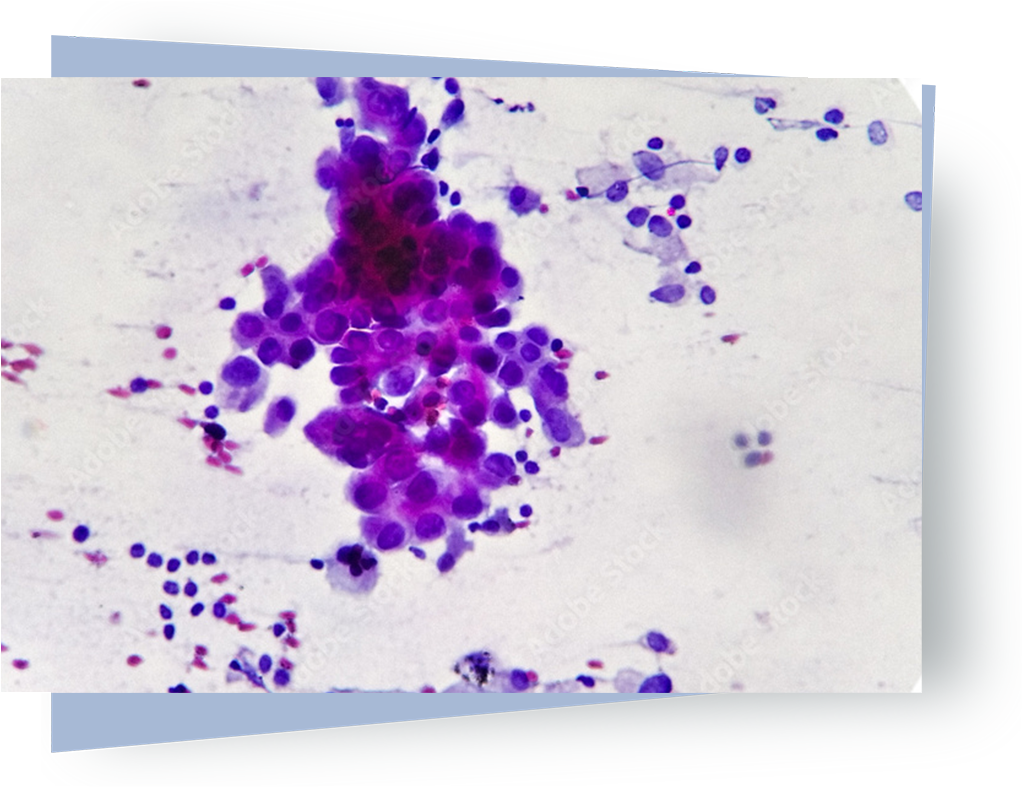
Soft tissue sarcoma is a rare group of cancers that begin in the body’s connective and supportive tissues. These tissues include fat, muscle, blood vessels, nerves, tendons, and the deeper layers of the skin. Soft tissue sarcoma often appears as a tumor, which may feel like a lump, bump, or mass that grows within these tissues.
Approximately three-quarters of all sarcoma diagnoses fall into the soft tissue category.
Soft tissue sarcomas can form in any part of the body. They are most commonly found in the arms or legs, but they can also begin in the abdomen, chest, pelvis, back, head, or neck. Because soft tissues are flexible, a tumor may grow for some time before it becomes noticeable.
Common areas where soft tissue sarcoma may occur include:

Soft tissue sarcoma is uncommon in the general population. Some subtypes are so rare that only a small number of cases are diagnosed in the United States each year. Although sarcoma can occur at any age, certain soft tissue subtypes are more often seen in adults, while others may affect children or teens.
Soft tissue sarcomas often cause few or no symptoms in their early stages. Because soft tissues allow room for growth, a tumor can become quite large before it is felt or causes discomfort.
Symptoms may include:
A painless lump is often the first sign, which is why new or changing masses should be evaluated by a medical professional.
Diagnosing soft tissue sarcoma requires a thoughtful and careful process. Many lumps are benign, and determining the exact type of tumor is essential.
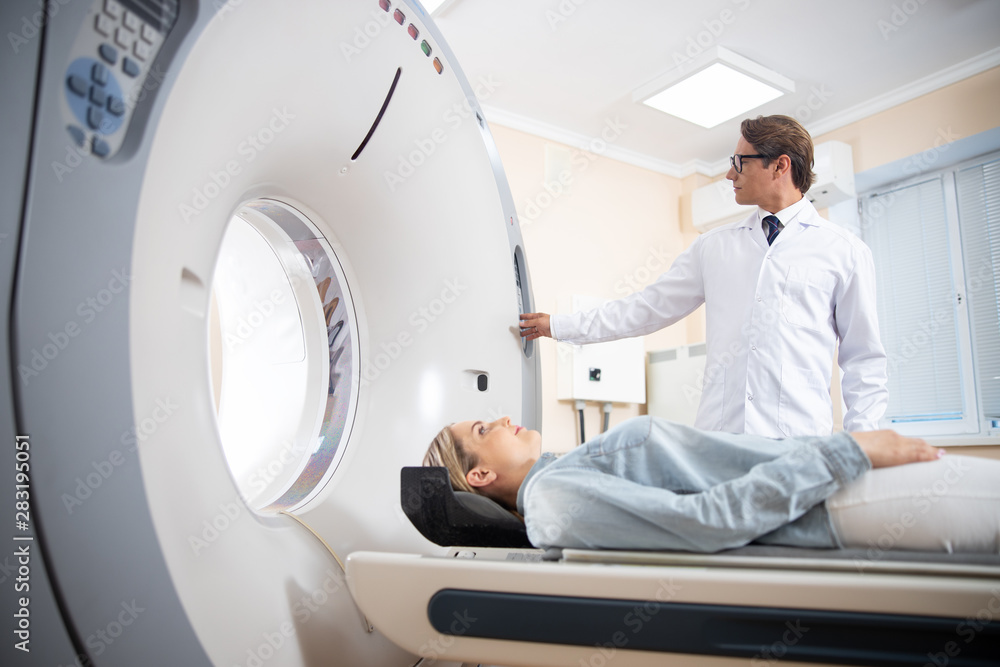
Scans such as MRI, CT, or ultrasound help doctors understand the size, location, and characteristics of a mass. These images guide next steps and help determine whether the mass appears suspicious for sarcoma.

A diagnosis should be handled by an orthopedic oncologist or bone surgeon who has experience with sarcoma. Specialists understand how to plan both the biopsy and treatment in a way that protects the surrounding tissues and reduces the risk of cancer cells spreading.
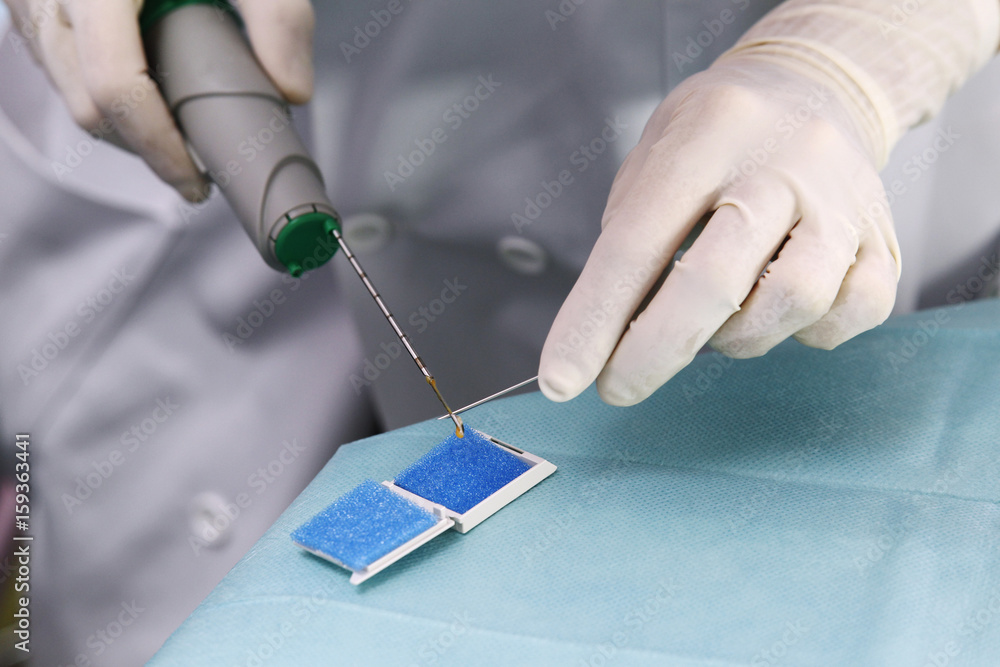
A biopsy is the only way to confirm a diagnosis of soft tissue sarcoma. During a biopsy, a surgeon removes a small piece of the tumor or, in some cases, the entire mass. The sample is then examined under a microscope by a pathologist trained in identifying sarcoma.
Because proper biopsy technique is important for safe treatment planning, biopsies should be performed by a surgeon or care team experienced in sarcoma.
The Rein in Sarcoma Patient Guidebook was created to provide support, hope, trusted information, and valuable resources for those who are newly diagnosed with sarcoma.

Every soft tissue sarcoma diagnosis is unique. Your oncology team will help guide you through understanding your exact subtype, the best treatment options, and any additional information you may need as you move forward.