Sarcoma Diagnosis &
Treatment

Understanding Sarcoma
Diagnosis and Treatment
A sarcoma diagnosis can feel overwhelming, and it is completely natural to have questions about what comes next. Understanding how sarcoma is diagnosed and the treatment options available can help you and your family feel more prepared as you move forward. Rein in Sarcoma offers educational resources and real patient stories to support you through diagnosis, treatment, and recovery.
1%
Of all new cancer diagnoses
in the U.S. are sarcoma
#5
Cancer among children
17K
Newly diagnosed patients each
year in the United State
Diagnostic
Process
Early and accurate diagnosis is an important part of effective care. Because sarcomas are rare and can develop in many different parts of the body, reaching the correct diagnosis often involves several tests and the insight of specialists who understand these cancers.
Imaging
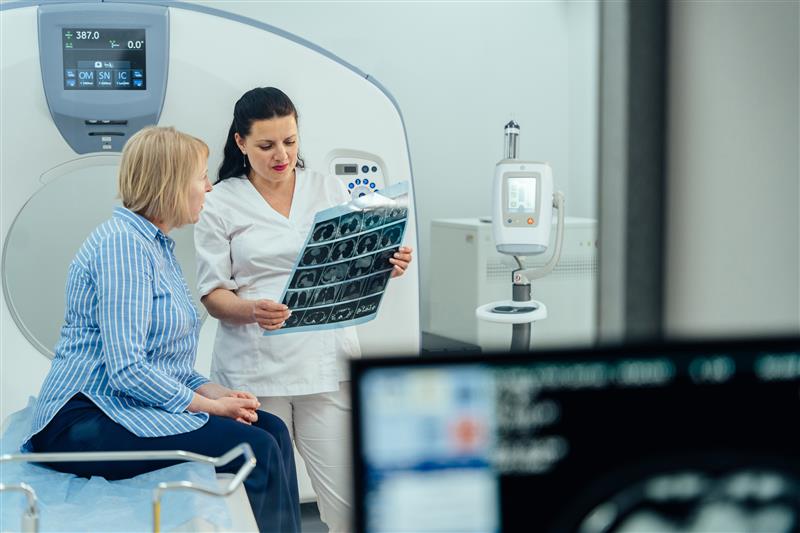
Doctors use imaging tests such as MRI, CT scans, or PET scans to locate the tumor and understand its features.

Staging
After a diagnosis is made, the care team determines the stage of the sarcoma. Staging shows whether the cancer has spread and helps doctors create a personalized treatment plan.
Diagnostic
Process
Early and accurate diagnosis is an important part of effective care. Because sarcomas are rare and can develop in many different parts of the body, reaching the correct diagnosis often involves several tests and the insight of specialists who understand these cancers.
Grading
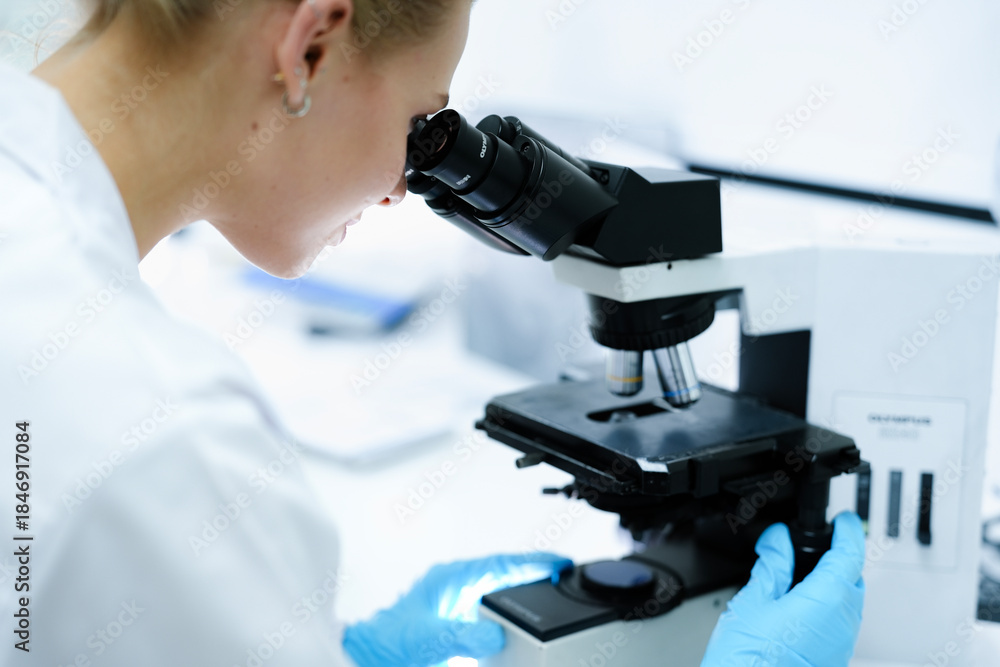
The “grade” of your tumor refers to how your cancer cells look under a microscope compared to normal healthy cells, as typically described in a pathology report.
Staging
The “stage” of your tumor refers to where cancer is located in the body, ranging from local (in one place) to metastatic (spread).
Testing
Each person’s cancer has unique genetic and molecular markers that can be identified through genomic testing after a biopsy or surgery.
Imaging
Doctors use imaging tests such as MRI, CT scans, or PET scans to locate the tumor and understand its features. These images show the size and shape of the tumor and how it relates to the surrounding tissues.
Biopsy
A biopsy is the only way to confirm a sarcoma diagnosis. During this procedure, a small sample of tissue is removed and examined under a microscope. The results help identify the exact type and grade of sarcoma, which guides treatment decisions.
Staging
After a diagnosis is made, the care team determines the stage of the sarcoma. Staging shows whether the cancer has spread and helps doctors create a personalized treatment plan.
Common Treatment Options
Sarcoma treatment is personalized for each patient and based on the unique details of the diagnosis, including the type of sarcoma and where it is located. Many people receive a combination of treatments, guided by a team of specialists who work together to provide the best possible care.
Surgery is often the first step in treating sarcoma. The goal is to remove the entire tumor while protecting as much healthy tissue and function as possible. In many cases, specialized surgical techniques make it possible to preserve the limb or area involved, even when the tumor is large or located near important structures.
Radiation therapy uses high-energy beams to target and destroy cancer cells. It may be recommended before surgery to help shrink the tumor or after surgery to reduce the chance of cancer cells remaining in the area. For some patients who cannot undergo surgery, radiation can also be used as a primary treatment to help control the disease.
Chemotherapy uses medications that travel through the bloodstream to reach cancer cells throughout the body. It may be part of treatment for certain sarcoma types or when the cancer has spread. Some patients receive chemotherapy before surgery to shrink the tumor or afterward to lower the risk of recurrence.
Targeted therapies and immunotherapies are newer treatment options for some sarcoma types. Targeted drugs are designed to act on specific changes within cancer cells, which may slow or stop their growth.
Immunotherapy works by helping the body’s own immune system recognize and fight cancer more effectively. These treatments are often considered based on the tumor’s unique characteristics and may be available through clinical trials.
What to Expect During
Diagnosis and Treatment
Every sarcoma journey begins with questions, and understanding what comes next can make the process feel a little less overwhelming. While each person’s experience is different, there are common steps that many patients follow.
During diagnosis, you can expect imaging tests, consultations with specialists, and a biopsy to confirm the type of sarcoma. Your care team will explain each test, why it matters, and what the results may tell them.
It is natural to feel uncertain during this time, but you will not navigate it alone. Many patients find comfort in learning what the process looks like and knowing that specialized support is available at every stage.
Support and Resources
You are not alone. Rein in Sarcoma offers trusted educational materials, patient and family support programs, and opportunities to connect with others who understand the challenges of a sarcoma diagnosis. Whether you are looking for practical information or emotional support, you will find resources designed to help you feel informed, supported, and empowered.
Our Resources
Empowering Knowledge,
Inspiring Hope
Understanding sarcoma diagnosis and treatment is the first step toward empowerment. Rein In Sarcoma is here to ensure that every patient and caregiver has access to clear, compassionate, and reliable information.
Rein In Sarcoma News
Stay Connected & Informed
Get the latest news, events, and sarcoma breakthroughs from Rein in Sarcoma, supporting patients, families, and research efforts.