
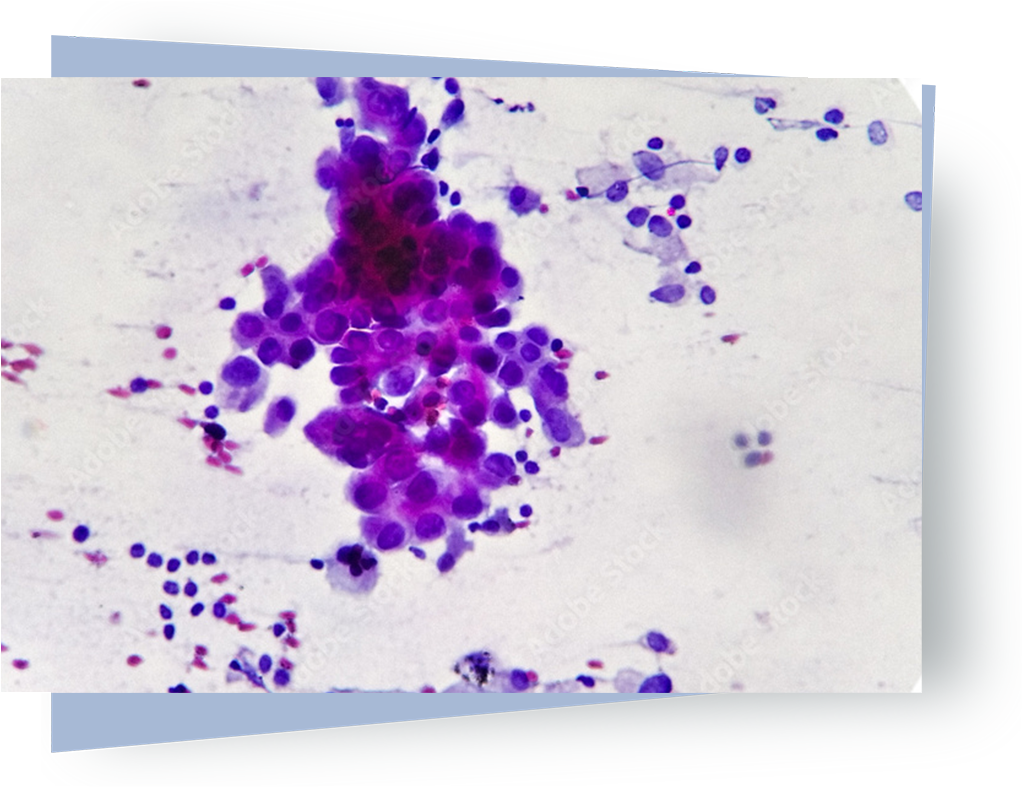
Soft Tissue Sarcoma

Soft

Tissue Sarcoma

Sarcoma is a type of cancer found in connective tissues. It is usually found as a lump, bump, or mass called a tumor. Sarcoma cancers may be found in fat, blood vessels, nerves, bones, muscles, deep skin tissues, tendons, and cartilage. They are divided into two main groups, bone tumors and soft tissue tumors.

Soft tissue sarcoma tumors can occur in muscles, fat, nerves, blood vessels, tendons, and other soft tissues that support, surround, or protect the body’s organs and joints. Soft tissue sarcomas can be found anywhere in the body, from head to toe, but they are more often found in the extremities, such as in the arms or legs.

Where Soft

Tissue Sarcoma Develops

Soft tissue sarcomas can form in any part of the body. They are most commonly found in the arms or legs, but they can also begin in the abdomen, chest, pelvis, back, head, or neck. Because soft tissues are flexible, a tumor may grow for some time before it becomes noticeable.

Common areas where soft tissue sarcoma may occur include:

  • Muscles
  • Fatty tissues
  • Blood vessels
  • Nerves
  • Tendons
  • Connective tissues surrounding organs and joints

How Common Is Soft Tissue Sarcoma?

Soft tissue sarcoma is uncommon in the general population. Some subtypes are so rare that only a small number of cases are diagnosed in the United States each year. Although sarcoma can occur at any age, certain soft tissue subtypes are more often seen in adults, while others may affect children or teens.

Approximately three-quarters of all sarcoma diagnoses fall into the soft tissue category.

Signs & Symptoms

Soft tissue sarcomas often cause few or no symptoms in their early stages. Because soft tissues allow room for growth, a tumor can become quite large before it is felt or causes discomfort.

Symptoms may include:

  • A lump or swelling that increases in size
  • Pain or soreness if the tumor presses on muscles, nerves, or organs
  • Limited movement or stiffness near a growing mass
  • Feeling of fullness or pressure in the abdomen if a tumor develops deep inside the body


A painless lump is often the first sign, which is why new or changing masses should be evaluated by a medical professional.

Diagnosing

Bone Sarcomas

Diagnosing soft tissue sarcoma requires a thoughtful and careful process. Many lumps are benign, and determining the exact type of tumor is essential. Steps may include:
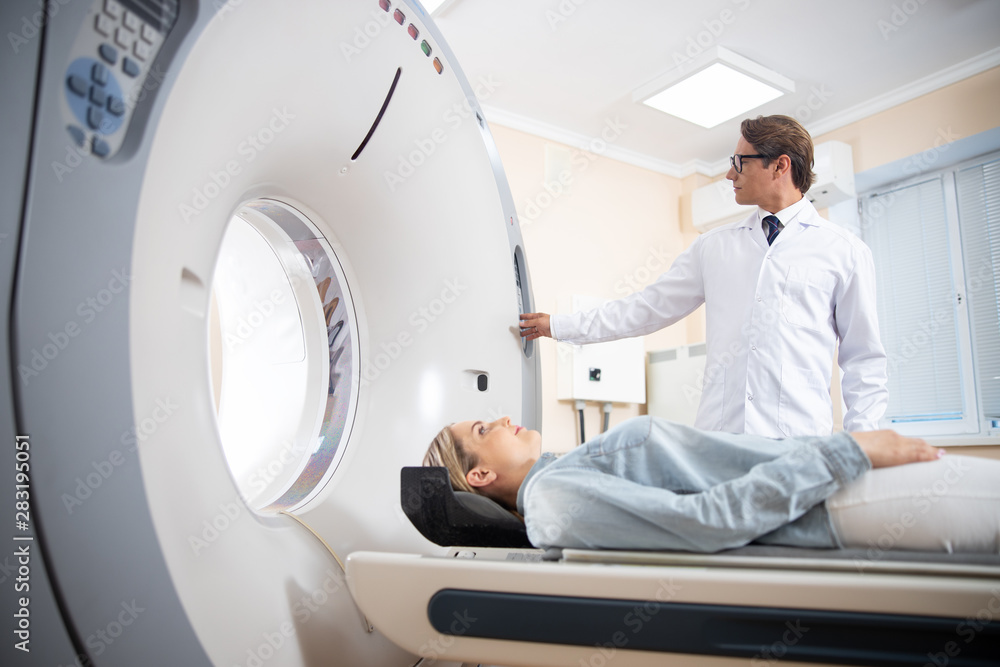
Includes X-rays, CT scans, MRI scans and more.

Specialist Consults

Sarcoma specialists are recommended.

Biopsy

This is how soft tissue sarcoma is confirmed.

Imaging

Scans such as MRI, CT, or ultrasound help doctors understand the size, location, and characteristics of a mass. These images guide next steps and help determine whether the mass appears suspicious for sarcoma.

Specialist Consults

A diagnosis should be handled by an orthopedic oncologist or bone surgeon who has experience with sarcoma. Specialists understand how to plan both the biopsy and treatment in a way that protects the surrounding tissues and reduces the risk of cancer cells spreading.
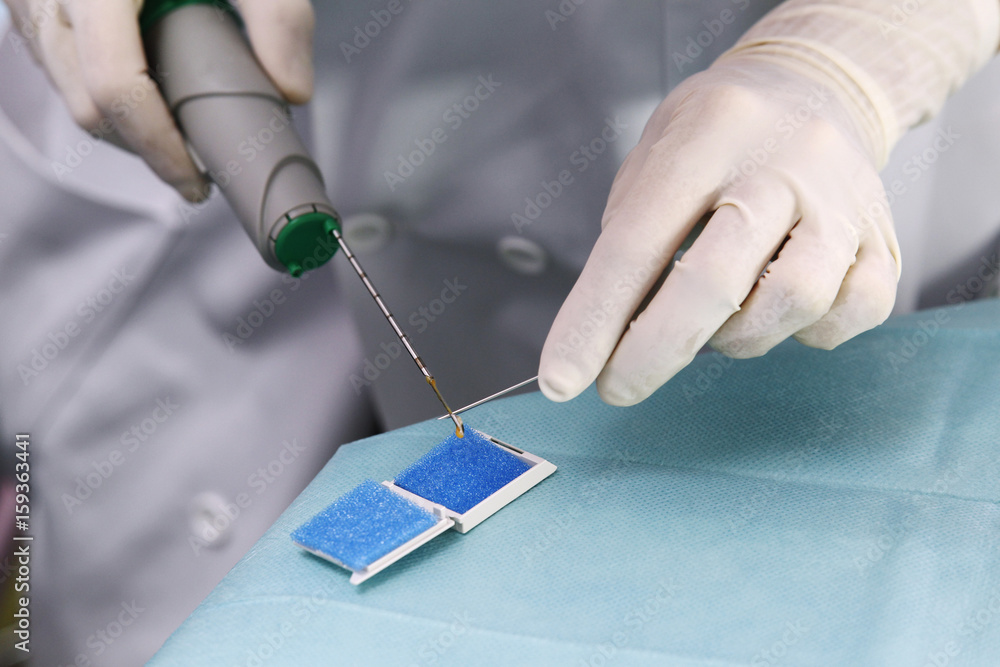
Biopsy

A biopsy is the only way to confirm a diagnosis of soft tissue sarcoma. During a biopsy, a surgeon removes a small piece of the tumor or, in some cases, the entire mass. The sample is then examined under a microscope by a pathologist trained in identifying sarcoma. Because proper biopsy technique is important for safe treatment planning, biopsies should be performed by a surgeon or care team experienced in sarcoma.

Types of Sarcoma Cancers

Bone Sarcoma

Soft Tissue Sarcoma

Bone Sarcoma

Common types:

Bone Sarcoma tumors develop in the bone tissue itself or in the cartilage that provides cushion between bones in the joints. The most common types of bone sarcomas are described below. Working closely with your oncologist and cancer team will help get you all the information you need. This is not intended to be a complete list.

  • Chondrosarcoma

    How does it appear

    May feel a hard lump under the skin, causing pain, swelling, or limited movement.Usually starts in the long bones of the arms, legs, or pelvis, often near the joints.Because it is a sarcoma of the cartilage, tumors are often found near the joints.

    General Description

    Chondrosarcoma is a sarcoma that arises from cells that produce cartilage, which is connective tissue surrounding bones and other organs in the body.

    Related Links

  • Chordoma sarcoma

    How does it appear

    Can occur anywhere within the spine and the base of the skull/brain, causing pain and nerve symptoms, including tingling, numbness and weakness.

    General Description

    Chordoma sarcoma arises from cells that become the discs of the spine in the embryo. These cells typically go away after birth, but rarely some remain and become cancerous.

    Related Links

  • Ewing’s sarcoma

    How does it appear

    May feel a lump under the skin causing pain, swelling, or limited movement.Typically develops in the pelvis, ribs and long bones (femur, tibia, humerus).

    General Description

    Ewing’s sarcoma is named after the American doctor who discovered this sarcoma tumor in the 1920’s. It is a tumor that arises from immature bone cells, but can also occur outside the bone in cartilage, nerves, or soft tissue.

    Related Links

  • Osteosarcoma

    How does it appear

    Can experience unexplained pain in an affected area, such as in the knee, which can cause a limp or similar disability.Easy fractures can occur, due to the bone weakening by the tumor.Most common tumor sites are found in the femur and tibia, both by the knee, and the humerus, near the shoulder.

    General Description

    Osteosarcoma tumors come from bone forming cells, called osteoblasts, in immature bone tissue.

    Related Links

Bone Sarcoma

Bone sarcomas form in the hard tissue of the skeleton or in cartilage, which provides cushioning and support at the joints. Common areas where bone sarcomas occur include:

Long bones such as the femur, tibia, or humerus

Bones of the pelvis

Bones of the spine or chest wall

Bones around major joints such as the knee or shoulder

Soft Tissue Sarcoma

Common types:

The most common types of soft tissue sarcoma cancers are described below. This is not intended to be a complete list and may not contain the specific sarcoma cancer type that you (or your loved one) have been diagnosed with. It is always best to work closely with your own oncologist and sarcoma cancer team who will help get you all the additional information that you will want to know.

  • Angiosarcomas

    How does it appear

    Most patients have no symptoms (i.e., are asymptomatic).They will appear as a raised, purple area of skin that resembles a bruise, growing over time.May be painful or bleed at the tumor site.Can occur anywhere in the body, but most often in the skin, head, or neck.

    General Description

    Angiosarcoma is a connective tissue sarcoma tumor that grows from the cells that line blood vessels and lymph channels (“Angio”). They represent approximately 1-2% of all sarcoma cancers and is seen most commonly in individuals above the age of 70, but can also occur at any age.

    Related Links

  • Dermatofibrosarcoma Protuberans (DFSP)

    How does it appear

    Often starts as a small, firm patch of skin that can be various tones of purple or red. Grows slowly over months to years and can become a raised nodule under the skin.

    General Description

    A Dermatofibrosarcoma Protuberans (DFSP) tumor arises from connective tissue in the middle layer of the skin, known as the dermis layer.

    Related Links

  • Desmoid Tumor (Aggresive Fibromatosis)

    How does it appear

    Most patients have no symptoms (i.e., are asymptomatic).There may be pain or swelling or a lump where the tumor is located.Can occur anywhere in the body, but most often are found in the abdomen, arms, shoulders or legs.They can be slow or fast growing.

    General Description

    A non-cancerous tumor of the connective tissue, which are tissues that connect, support, and/or separate organs.These tumors can locally grow very large and can damage nearby organs, but they do not spread to other parts of the body.

    Related Links

  • Desmidplastic Round Cell Tumor

    How does it appear

    Appears in the abdomen and pelvic area of the body.No symptoms initially but leads to one or a combination of the following symptoms: nausea and vomiting, diarrhea, constipation, abdominal swelling, abdominal pain and difficulty urinating.

    General Description

    A type of soft tissue sarcoma that begins on the tissue that lines the inside of the abdomen and pelvis called the peritoneum.

    Related Links

  • Epitheliod sarcoma

    How does it appear

    Typically, it will appear as a small, painless, slow growing lump under the skin of a finger, hand, forearm, lower leg, or foot. May be a sore or open wound that doesn’t heal.

    General Description

    Epithelioid sarcoma is a connective tissue tumor that grows from epithelial cells, which are cells that line the surfaces inside and outside of the body, including the skin, urinary tract, intestines, and other organs.

    Related Links

  • Fibrosarcoma

    How does it appear

    Cancer that begins in the fibrous connective tissue located at the extremities of the arms or legs. May lead to limping or difficulty in using legs, feet, arms, and hands.

    General Description

    The tumor cells at the primary sites frequently spread to nearby soft tissue. Can occur in children and adults. Infantile fibrosarcoma is the most frequent soft tissue sarcoma in children less than one year old. It presents as a growing mass at birth or soon after. This form has slower growth rate and is usually less aggressive than fibrosarcoma seen in older children.

    Related Links

  • Gastrointestinal stromal tumor (GIST)

    How does it appear

    Symptoms vary based on size and location of tumors.Small tumors may be asymptomatic while larger tumors may cause vomiting, GI bleeding, abdominal pain, nausea and weight loss.

    General Description

    A Gastrointestinal Stromal Tumor (GIST) is a sarcoma cancer that develops from the cells that help your intestines move food in your body.

    Related Links

  • Kaposi’s sarcoma

    How does it appear

    Appears as painless, purple-ish spots on the legs, feet, or face.Can also appear in genital areas, the mouth, lymph nodes, and, in severe cases, the digestive tract or lungs.

    General Description

    Kaposi’s sarcoma is a connective tissue tumor named after the Hungarian doctor who discovered it. These tumors grow from cells that line blood and lymph vessels.

    Related Links

  • Leiomyosarcoma

    How does it appear

    Tumors located deep in the body that may not present with any symptoms until they grow larger or causing pressure in the space they are growing.May appear as painless masses below the skin.Uterine leiomyosarcoma may present with pain pressure, and abnormal uterine bleeding, similar to benign fibroids.

    General Description

    Leiomyosarcoma is a connective tissue tumor that grows from the type of muscle found in the intestines, gastrointestinal tract, large blood vessels, and in the uterus of women.

    Related Links

  • Liposarcoma

    How does it appear

    Can occur anywhere in the body, but are mostly found in the limbs, muscles and abdomen.They are painless and slow growing so many patients may be symptom free (asymptomatic). May appear as a growing lump under the skin of the arms or legs.

    General Description

    Liposarcoma is a connective tissue tumor that grows from fat cells located in deep connective tissues.

    Related Links

  • Malignant Peripheral Nerve Sheath Tumor

    How does it appear

    Symptoms vary based on the size and location of tumors.May experience pain, numbness, weakness, or a burning/tingling sensation in the extremities at the tumor site.

    General Description

    A malignant nerve sheath tumor (MPNST) is a sarcoma cancer that develops from the cells that surround and protect the nerves of the peripheral nervous system (outside of the brain and spinal cord).

    Related Links

  • Myxofibrosarcoma

    How does it appear

    Slow-growing, painless lump on extremities, such as arms or legs, that extends deep into tissues.Symptoms be different based on size and location of tumors.

    General Description

    Myxofibrosarcoma is a connective tissue tumor that surrounds and separates muscles from each other and from the skin.

    Related Links

  • Rhabdomysarcoma

    How does it appear

    May appear as a painless mass underneath the skin.Are commonly found in the head and neck region, followed by the extremities, such as arms and legs.

    General Description

    Rhabdomyosarcoma is a connective tissue tumor that grows from skeletal muscles, such as the muscles in your arms, legs, abdominal wall, and back.

    Related Links

  • Synovial Sarcoma

    How does it appear

    Slow growing, painless mass found in the arms or legs where the joints are formed. Masses may be painful if involving nerves.

    General Description

    Synovial sarcoma tumors develop from immature cells that line the inside of a joint (synovium).

    Related Links

  • Undifferentiated Pleomorphic Sarcoma

    How does it appear

    Appears as a lump in the extremities, such as arms or legs, and can also occur behind abdominal organs. Although it can be found in either soft tissues or bone, it is considered a soft tissue tumor.

    General Description

    An Undifferentiated Pleomorphic sarcoma tumor has cells of different sizes and shapes. The tissue type it originates from is not able to be identified, which is known as “undifferentiated”.

    Related Links

Soft Tissue Sarcoma

The most common types of soft tissue sarcoma cancers are described below. This is not intended to be a complete list and may not contain the specific sarcoma cancer type that you (or your loved one) have been diagnosed with. It is always best to work closely with your own oncologist and sarcoma cancer team who will help get you all the additional information that you will want to know.

Approximately three-quarters of people diagnosed with sarcoma will be diagnosed with a type of soft tissue sarcoma. There are many types of soft tissue sarcoma. Some of those types are so rare that only a few cases will be diagnosed in the United States each year.

In their early stages, soft tissue sarcoma rarely show any symptoms. Because soft tissue is very elastic, tumors can grow quite large before they are felt as a lump or bump.

Pain may occur when a sarcoma starts to press on nearby muscles and nerves.

Imaging such as MRI scans, can help determine if a lump or mass has features consistent with a sarcoma.

The only way to make a definitive diagnosis of soft tissue sarcoma is through a biopsy, which is when either the entire tumor or a small piece of it is surgically removed for testing. This is best performed by a skilled surgeon who is very familiar with sarcoma, and who will take great care in not allowing the spread of cancer cells during initial biopsies.

9th Edition

Sarcoma Patient Guidebook

The Rein in Sarcoma Patient Guidebook was created to provide support, hope, trusted information, and valuable resources for those who are newly diagnosed with sarcoma.

  • Clear explanations about sarcoma and treatment options
  • Guidance on navigating appointments and care decisions
  • Practical tips for patients and families
  • Support resources and community connections

Work With Your Care Team

Every soft tissue sarcoma diagnosis is unique. Your oncology team will help guide you through understanding your exact subtype, the best treatment options, and any additional information you may need as you move forward.