
Health Equity Commitment

Ensuring

Equal Access to Sarcoma Care

At Rein in Sarcoma, we believe that every person affected by sarcoma deserves access to high-quality information, care, and support — no matter who they are or where they live. We are committed to identifying and addressing barriers that limit access to diagnosis, treatment, and support services so that no one is left behind in their sarcoma journey.

Our Health Equity

Commitment & Purpose

Health equity means that everyone should have a fair and just opportunity to prevent, detect, treat, and survive sarcoma. It requires recognizing and addressing structural, systemic, and social disparities that create inequities in cancer outcomes.

Our mission1

Assess and monitor sarcoma-related disparities (by race, geography, socio economic status, rural vs. urban, disability, etc.).

Our mission2
Our mission3
Our mission1

Embed an equity lens into all Rein In Sarcoma initiatives—research funding, patient programs, education, and volunteer engagement.

Our mission3
Our mission2

Why Health

Equity Matters

We pursue health equity through ongoing efforts that expand educational reach and improve access to trusted information and care:

We develop educational materials that are clear, inclusive, and available to a broad audience. Our goal is to empower patients, families, and clinicians with information that is easy to understand, culturally aware, and relevant across diverse communities.

We partner with healthcare providers, advocacy groups, and community organizations to share sarcoma knowledge where it is needed most. These collaborations help connect individuals with resources and care they might not otherwise find.

Rein in Sarcoma works to identify gaps in access and support solutions that help patients overcome financial, geographic, or systemic barriers. Whether through information, guidance, or connection with care teams, we aim to make support more equitable.

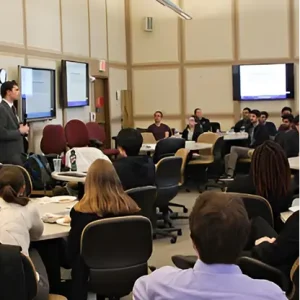
We engage clinicians, educators, and researchers in discussions about disparities in sarcoma care and work together to share best practices that support fair treatment and early recognition across populations.

Achieving health equity takes awareness, action, and partnership. We invite patients, families, caregivers, clinicians, and supporters to join us in this ongoing effort. Together, we can build a sarcoma community where access to care, information, and support is not determined by circumstance — but by compassion, collaboration, and shared purpose.

As you and your loved ones begin this sarcoma journey, we want to let you know that you are not alone. One of the hurdles facing many sarcoma patients is a sense of isolation. However, while sarcomas are rare, many people here in the Midwest have been on the journey that you are beginning. We are here to support and assist you as you confront and conquer this disease.

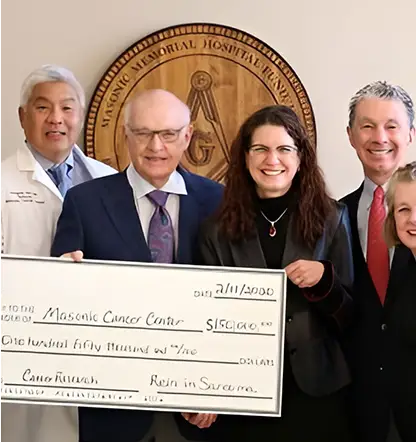
A major component of Rein in Sarcoma’s mission is to fund research directed toward developing new treatments and finding cures for sarcoma cancers. Since our inception in 2001 RIS has funded nearly $2 million to sarcoma research projects, primarily at the University of Minnesota, with an expansion to the Mayo Clinic, Children’s Hospitals, and Clinics of Minnesota in 2017. These research dollars in turn have resulted in additional grants totaling over $13 million in public and private funding to date.

The Jan Maudlin Scholars Program awards annual scholarships for medical students at the University of Minnesota, Mayo Clinic, Medical College of Wisconsin, University of Iowa, and University of Wisconsin medical schools to support Rein in Sarcoma’s goal of educating the medical community and public about sarcoma cancers. Thanks to the generosity of Jan and Tim Maudlin, each year new scholarships are granted.

Join Us

In Our Health Equity Commitment

We invite researchers, medical professionals, donors, patients, caregivers, and volunteers to join or support this work:

Become a Health Equity Commitment Support Team Member to help guide equity initiatives.

Partner with us on community outreach, education, or research projects.

Suggest or help develop programs that reduce barriers in your community.

Participate in trainings or webinars on health equity.

Share stories about how disparities have affected you or your loved ones.